
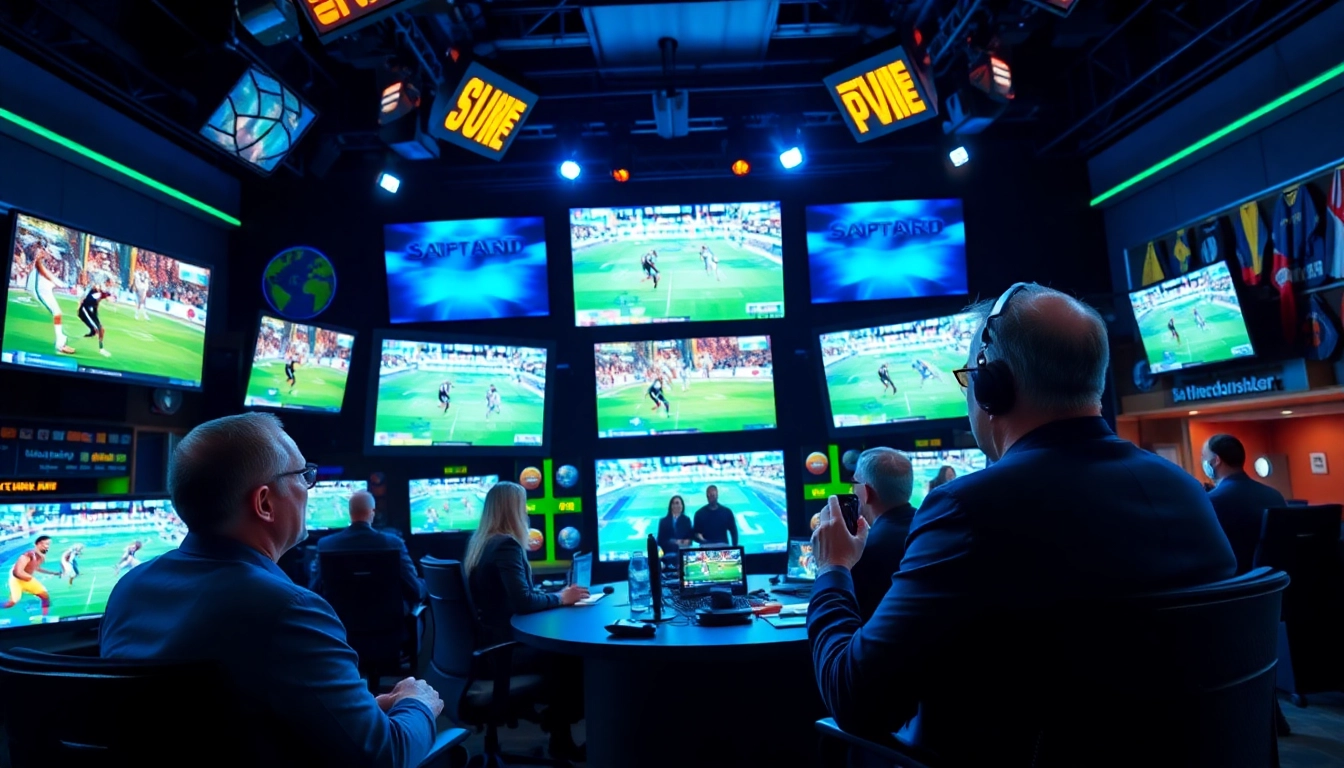
Understanding Sports Broadcasting
Definition and Importance of Sports Broadcasting
Sports Broadcasting encompasses the live transmission and commentary of sporting events through various media such as television, radio, and online streaming platforms. Its importance lies in its ability to connect fans to their favorite sports, allowing them to experience the thrill of live events from anywhere. With the increasing demand for instant and accessible sports content, Sports Broadcasting has become a crucial element of modern entertainment, influencing fan engagement, sponsorship opportunities, and the overall sports economy.
Key Players in Sports Broadcasting
The sports broadcasting landscape is populated by numerous key players who play essential roles in how content is created, produced, and delivered. These include:
- Networks: Major television networks invest heavily in broadcast rights, showcasing live games and events.
- Streaming Platforms: Emerging platforms like OTT services have disrupted traditional broadcasting, offering flexibility and exclusive content.
- Sports Organizations: Teams and leagues negotiate broadcast deals, directly affecting how their events are distributed.
- Advertisers: They fund broadcasts and contribute to the revenue model, targeting specific demographics through tailored messages.
- Viewers: The audience’s preferences and viewing habits significantly shape programming decisions and content strategies.
Trends Shaping the Future of Sports Broadcasting
The future of sports broadcasting is being shaped by several trends that reflect changes in technology and audience behavior:
- Rise of Streaming Services: As viewers shift toward on-demand content, more broadcasters are investing in streaming technologies.
- Enhanced Viewer Engagement: Interactive broadcasts with viewer polls and real-time statistics are becoming common.
- Data Analytics: Enhanced analytics are being utilized to personalize content and improve viewer experiences.
- Esports Inclusion: The popularity of esports is prompting traditional broadcasters to adapt and incorporate gaming events.
- Virtual and Augmented Reality: These technologies are creating immersive viewing experiences, offering new ways to interact with sports.
Essential Skills for Sports Broadcasting Professionals
Communication and Presentation Skills
Effective communication is paramount in sports broadcasting. Professionals need to articulate thoughts clearly and engage audiences through compelling storytelling. An engaging presenter can enhance the viewing experience, making commentary not just informative but entertaining.
Technical Knowledge in Broadcasting
A solid understanding of the technical aspects of broadcasting is essential. This includes knowledge of cameras, microphones, editing software, and transmission systems. Familiarity with these tools allows broadcasters to troubleshoot issues on the fly and maintain broadcast quality.
Understanding Audience Engagement
Knowing how to connect with diverse audiences is critical. Sports broadcasters must learn to analyze viewer demographics, preferences, and trends to tailor their broadcasts for maximum engagement. This understanding helps in creating relevant content that resonates with viewers.
Effective Strategies for Sports Broadcasting
Content Creation and Storytelling
Creating captivating content requires a deep understanding of storytelling techniques. Broadcasters should focus on crafting narratives that build excitement around sporting events. This could involve backstories of players, rivalries, or the history of teams, which add depth to the broadcasts.
Utilizing Social Media for Engagement
Social media platforms are powerful tools for enhancing viewer engagement. Broadcasters can use these platforms to share highlights, conduct live Q&A sessions, and provide updates, fostering a community around their content. Engaging with fans on social media can drive traffic to broadcasts and increase viewer loyalty.
Leveraging Technology for Enhanced Broadcasts
Technology plays a crucial role in modern sports broadcasting. Incorporating multi-angle views, virtual graphics, and enhanced audio can significantly increase viewers’ enjoyment and engagement. Embracing innovations like augmented reality can elevate a broadcast from mundane to extraordinary.
Challenges in Sports Broadcasting
Maintaining Viewer Interest
One of the biggest challenges in sports broadcasting is keeping viewers engaged over extended periods. Broadcasters need to create dynamic content and interactive elements to maintain interest, especially during less thrilling matches. Introducing features like fan voting on commentary focus can help keep audiences invested.
Adapting to Technological Change
The rapidly evolving landscape of technology demands that sports broadcasters stay updated with trends and innovations. This adaptation might involve training staff on new tools or rethinking broadcast strategies to better leverage new media formats. Continuous learning and flexibility are key to staying relevant.
Managing Live Broadcast Difficulties
Live broadcasting comes with inherent unpredictability, from technical glitches to unexpected events. Preparing for these challenges involves having contingency plans and skilled crew members who can respond quickly. A well-prepared team can mitigate potential issues that could disrupt viewer experience.
Metrics for Success in Sports Broadcasting
Measuring Audience Engagement
Understanding how audiences interact with broadcasts is vital for assessing success. Metrics such as social media interactions, viewer comments, and active participation during broadcasts provide insight into engagement levels. These metrics help refine future broadcasts to align with audience interests.
Analyzing Viewership Statistics
Viewership statistics, including ratings and demographics, should be closely monitored to gauge the effectiveness of programming. Analyzing patterns in audience tuning helps broadcasters make informed decisions about scheduling, content, and marketing strategies.
Improving Broadcast Quality and Reach
Ultimately, the goal is to constantly improve the quality of broadcasts and expand their reach. This involves incorporating feedback from viewers, investing in technology, and exploring new distribution channels. Continuous improvement ensures that broadcasters stay competitive and relevant.
FAQs
What is sports broadcasting?
Sports broadcasting refers to the transmission of live sports events on various media platforms, including television, radio, and online streaming.
What skills are essential for sports broadcasters?
Key skills include strong communication, technical knowledge of broadcasting equipment, and the ability to engage an audience effectively.
How can social media benefit sports broadcasting?
Social media enhances audience engagement by providing real-time updates, behind-the-scenes content, and opportunities for fan interaction during events.
What are common challenges in sports broadcasting?
Challenges include maintaining viewer interest, managing live technical issues, and keeping up with rapidly changing technologies and platforms.
How is success measured in sports broadcasting?
Success is measured through audience engagement metrics, viewership statistics, and the overall quality and reach of the broadcasts.